
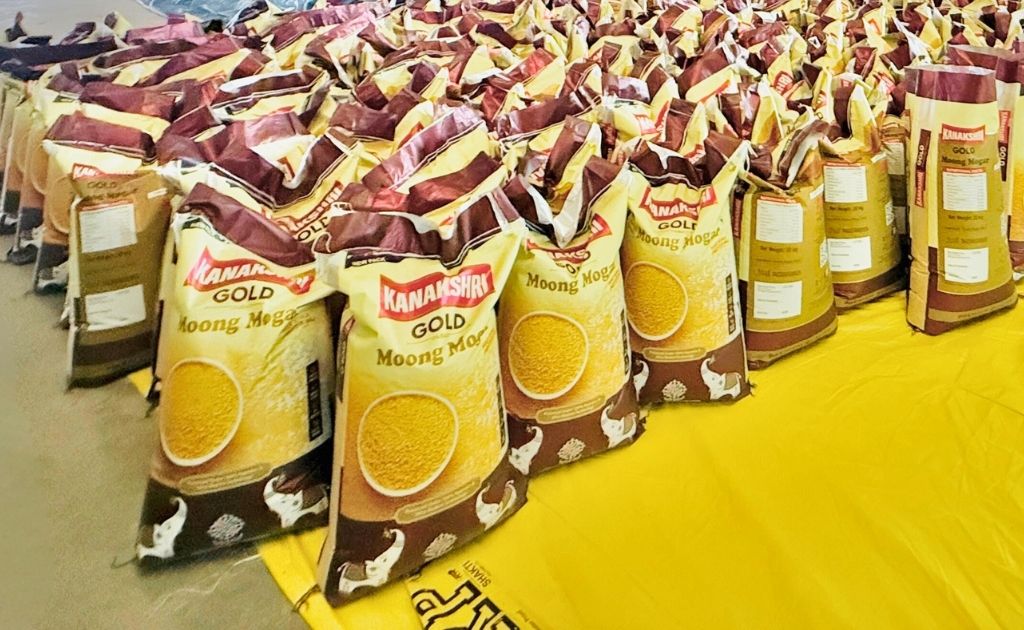
Moong dal is a staple in Indian kitchens, but did you know that not all dal in the market is of good quality? Pulses are often adulterated or stored improperly, which can reduce their nutrition and even harm your health. That’s why it’s important to know how to pick the best quality moong dal before you buy.
Here are 5 simple checks you can do at home to ensure you’re getting pure, fresh, and nutritious dal.
1. Color Consistency
A well-organized cleaning kit is every Airbnb host’s secret weapon, simplifying the hosting experience and ensuring a consistently spotless space. A properly equipped toolkit not only saves time but also takes the stress out of maintaining your property to perfection.
When building your cleaning arsenal, consider every corner of your home that might need attention. With a little preparation, the cleaning process becomes more efficient and far less overwhelming.
2. Smell Test
Quality moong dal should smell fresh and slightly nutty. If you detect any musty, sour, or stale odor, avoid buying it.
A bad smell usually means the dal is old, stored in damp conditions, or has started to spoil. Always give it a sniff before purchasing, especially if it’s sold in loose form.
3. Cleanliness
High-quality dal is free from stones, dust, or insects. Poor-quality dal may have small pebbles, dirt, or even bugs, which can be harmful if consumed.
Check the dal carefully by picking up a handful and looking closely. Cleanliness is a simple way to judge how well the dal has been processed and stored.
4. Freshness & Age
Freshness is key to good taste and nutrition. Old or faded dal may lose its protein, fiber, and other nutrients over time.
Avoid dal that looks shriveled, broken, or has a chalky texture. Fresh dal should be firm, plump, and retain its natural aroma.
“Good quality moong dal stands out with its bright color, fresh aroma, and clean grains. A simple check of purity ensures every meal is wholesome, safe, and full of natural nutrition."
5. Packaging & Brand Trust
The way dal is packaged can make a big difference. Loose dal from the market may be exposed to dust, humidity, and contamination.
High-quality brands like Kanakshri provide airtight, hygienic packs that preserve freshness, color, and nutrition. Trusted brands also ensure proper storage and minimal handling, giving you peace of mind.
Comparison Table: Loose Dal vs Kanakshri Packaged Dal
| Feature | Loose Dal | Kanakshri Packaged Dal |
|---|---|---|
| Color | Can be uneven, dull | Bright, uniform, fresh |
| Smell | May be musty or stale | Fresh, natural aroma |
| Cleanliness | May contain dust or stones | Thoroughly cleaned, hygienic |
| Freshness & Age | May be old or faded | Always fresh, nutrient-rich |
| Packaging & Handling | Exposed to environment | Airtight, hygienic, trusted |
Final Thoughts
Buying the right moong dal doesn’t have to be complicated. By checking color, smell, cleanliness, freshness, and packaging, you can make sure your dal is safe, healthy, and nutritious.
With Kanakshri, you don’t have to check — purity is guaranteed, and every pack delivers consistent quality and nutrition for your family.